The City in Bloom
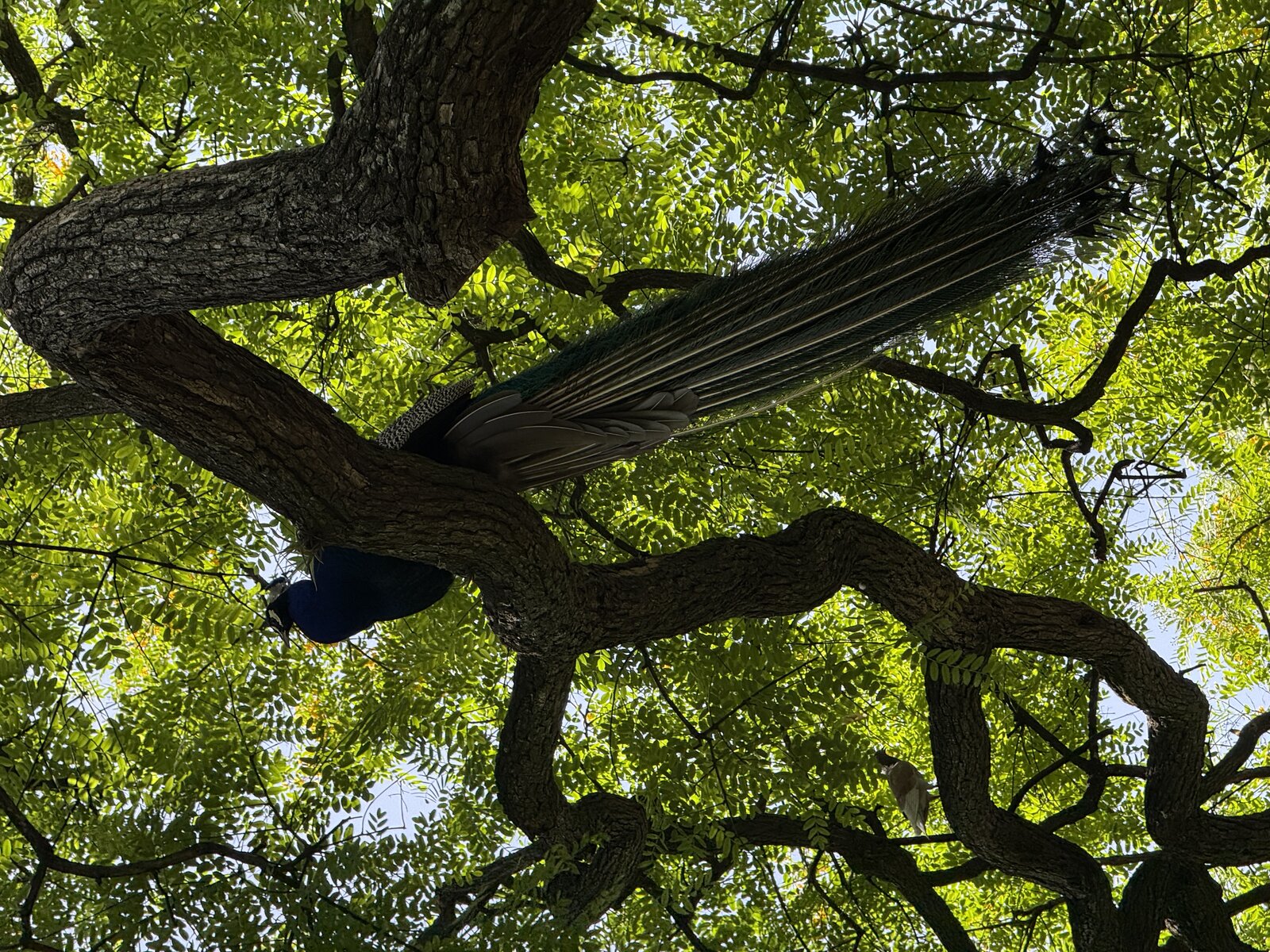
The Ecoparque was exactly what a body needed after fifteen hours in transit. It replaced the old Buenos Aires Zoo in 2016 and now sprawls as a half-wild botanical space within the larger Bosques de Palermo. School groups roamed in matching uniforms. The animals were few but memorable.
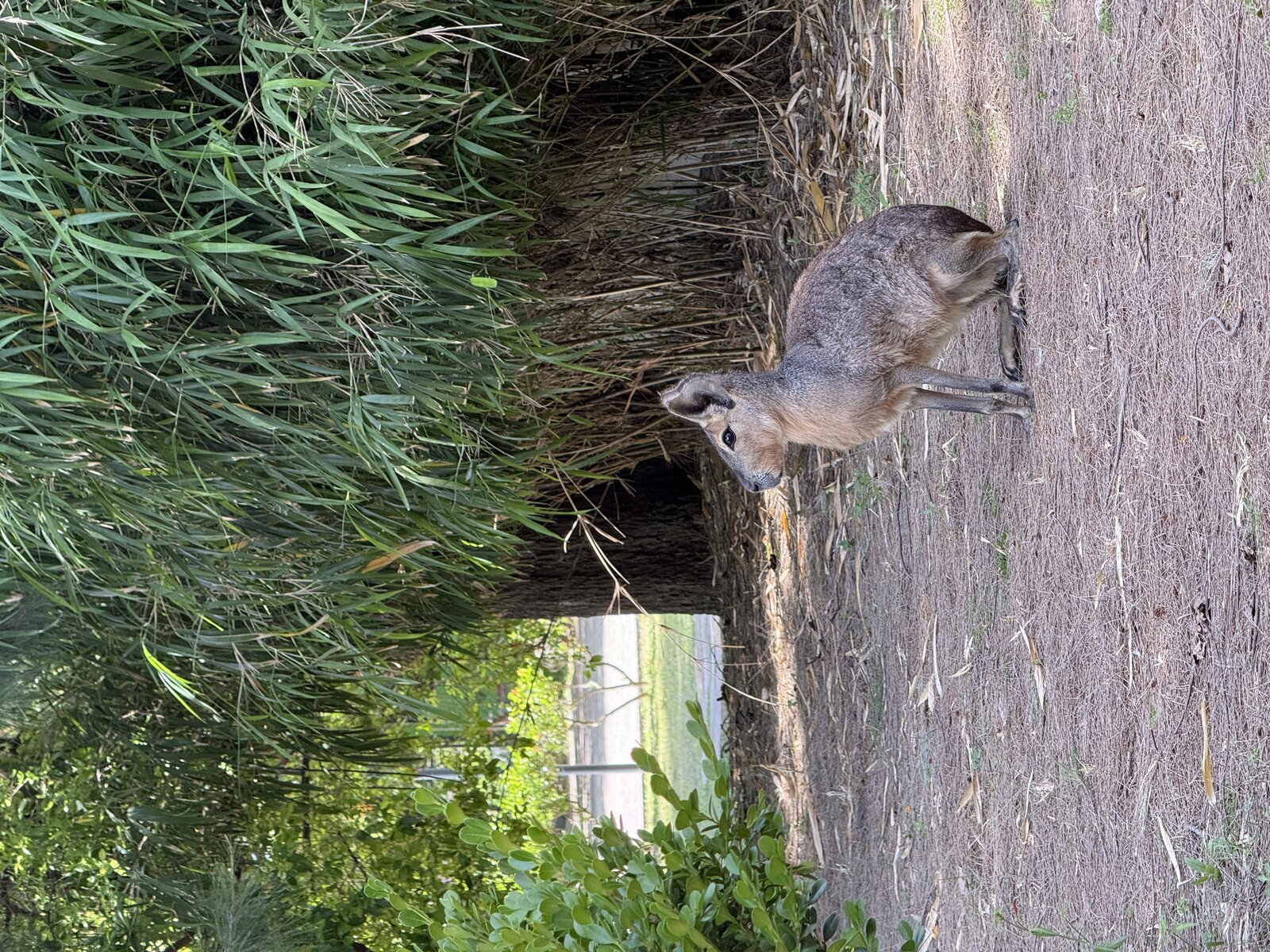
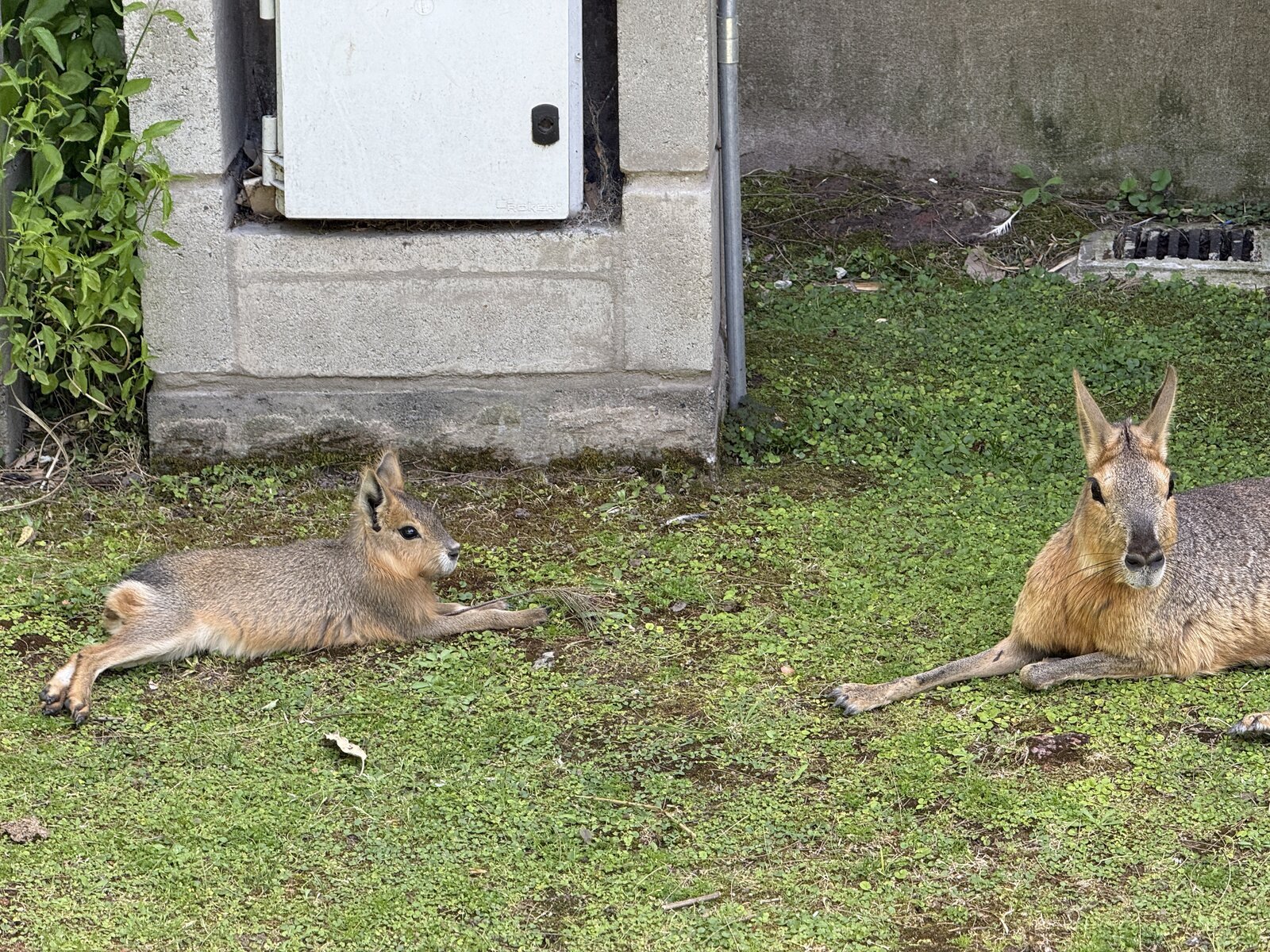
A relatively large rodent endemic to Argentina. They possess distinctive rabbit-like ears and long, slender legs suited for running, giving them an unusual appearance bridging multiple familiar animal forms. Wikipedia
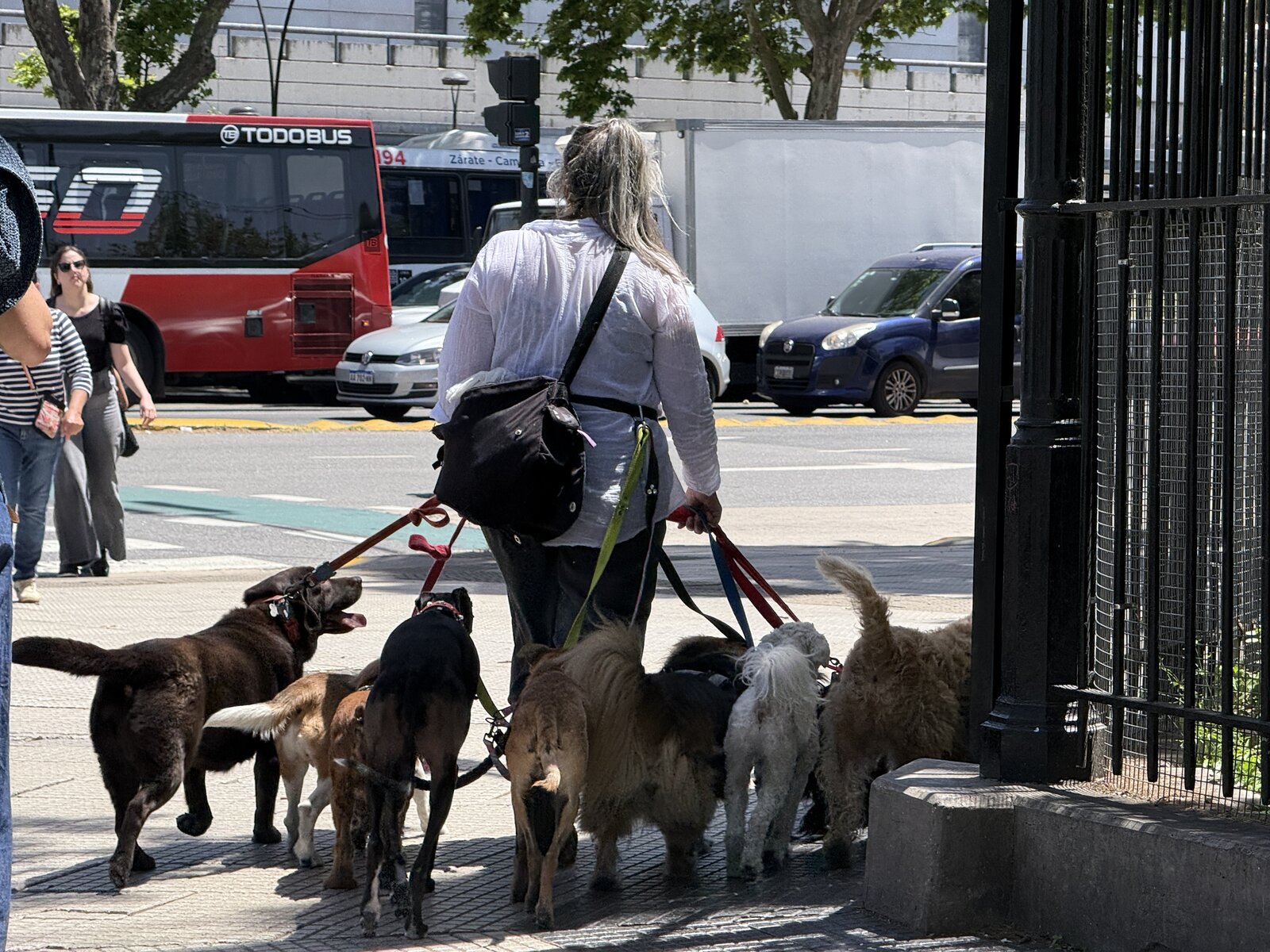
River otters fought over trout below the footbridges, the mothers carrying their babies by the scruffs of their necks with an urgency that suggested this was not for show. Peacocks displayed their tails and perched in trees with the casual omnipotence of creatures that know they are beautiful. And everywhere, dog walkers threaded through the park paths managing eight, ten, twelve leashes at once—a profession that seems to be a genuine pillar of the Buenos Aires economy.
After a tactical nap relay—two went out for Venezuelan arepas, one slept, then swapped—the afternoon brought Recoleta. The cemetery there is Buenos Aires' most famous site and one that divides visitors cleanly. The density of mausoleums is undeniably impressive: a labyrinth of miniature cathedrals crammed together like a city within the city, housing the dead in more opulence than most of the living ever achieve. Evita is there. A few tombs bear Stars of David, hinting at the layered identities of Argentine families.
But for some of us, the place felt emotionally cold—vanity persisting even in death. So different from the simple headstones one might be accustomed to, where the point is the memory, not the monument.
The first public cemetery of Buenos Aires, now containing roughly 4,700 vaults. Architectural styles span Neoclassical, Art Nouveau, and Art Deco. Notable residents include Eva Perón, multiple presidents, and Nobel laureates. Declared a National Historical Monument in 1946.
Art, Books, and Tango
MALBA—the Museum of Latin American Art of Buenos Aires—was the intellectual highlight of the trip. The permanent exhibition alone would justify the visit: kinetic sculptures that felt like the art-and-tech of the pre-digital world, cubist experiments with landscape, and surrealist work from corners of the continent that rarely get museum wall space in North America.
Three works lodged themselves permanently in memory.
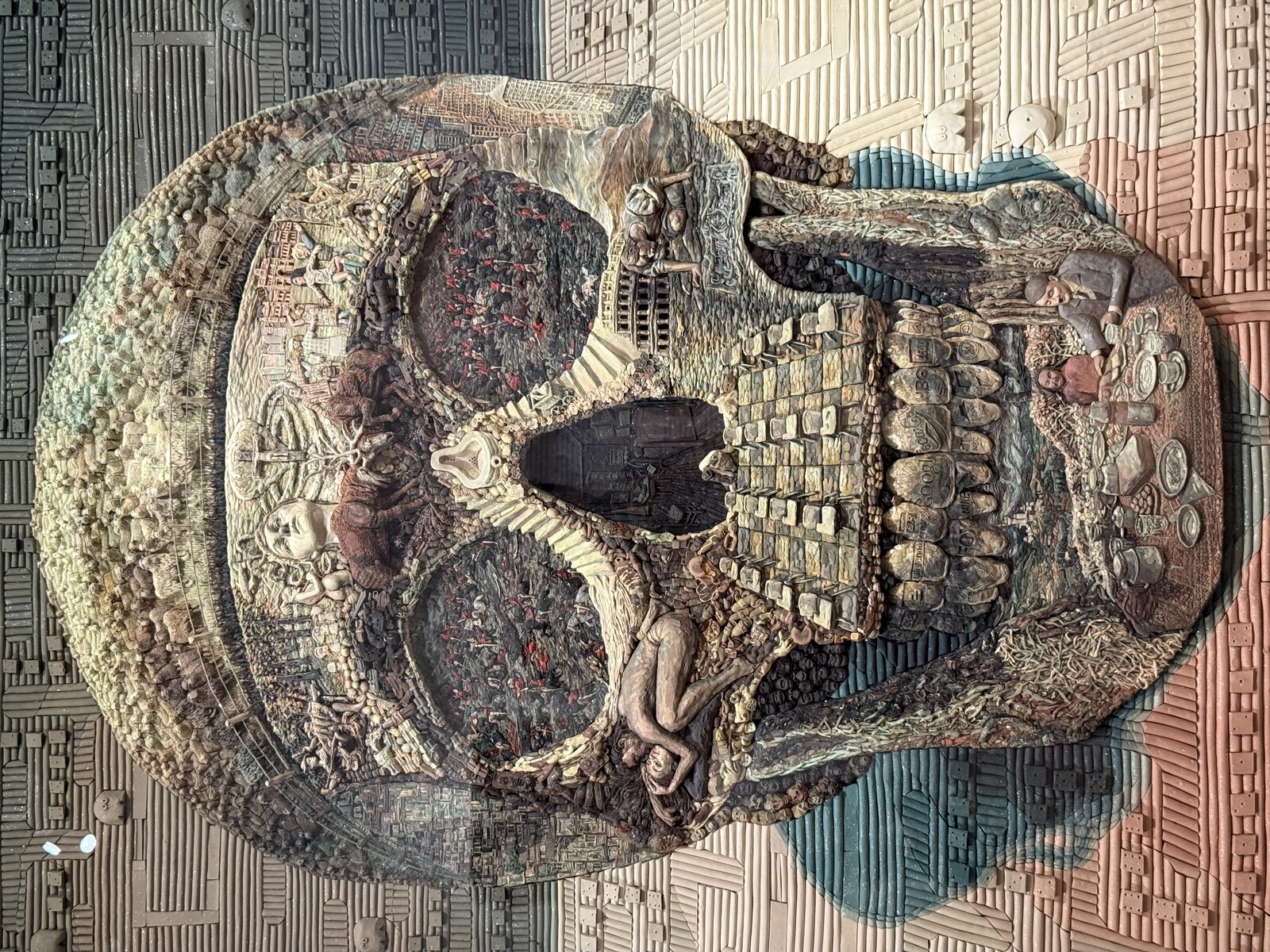
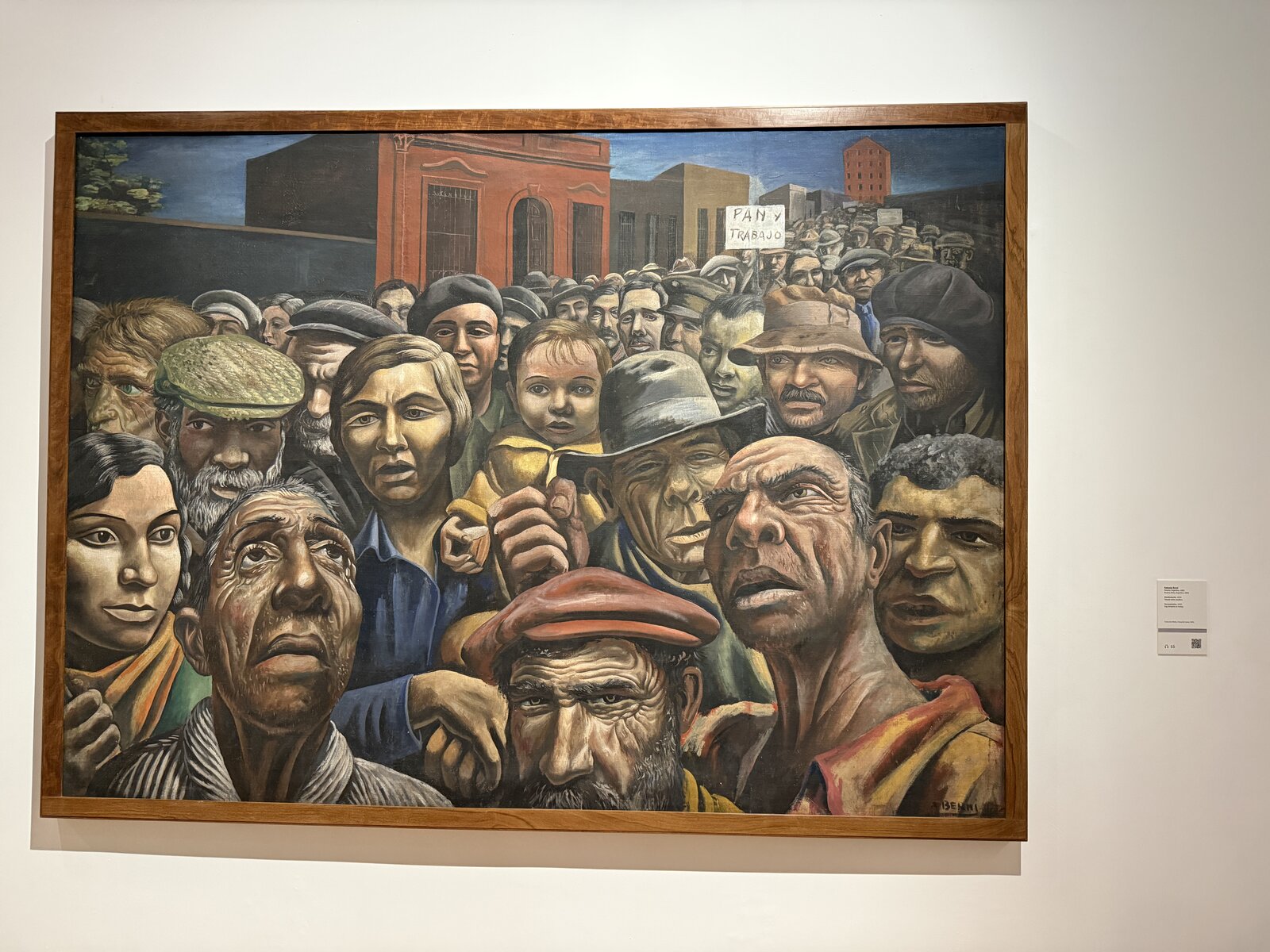
A central figure in Argentine art who moved through Surrealism and Social Realism. *Manifestación* depicts a workers' protest during the Infamous Decade—each face painted with individual specificity, refusing to let the crowd become anonymous. Google Arts & Culture
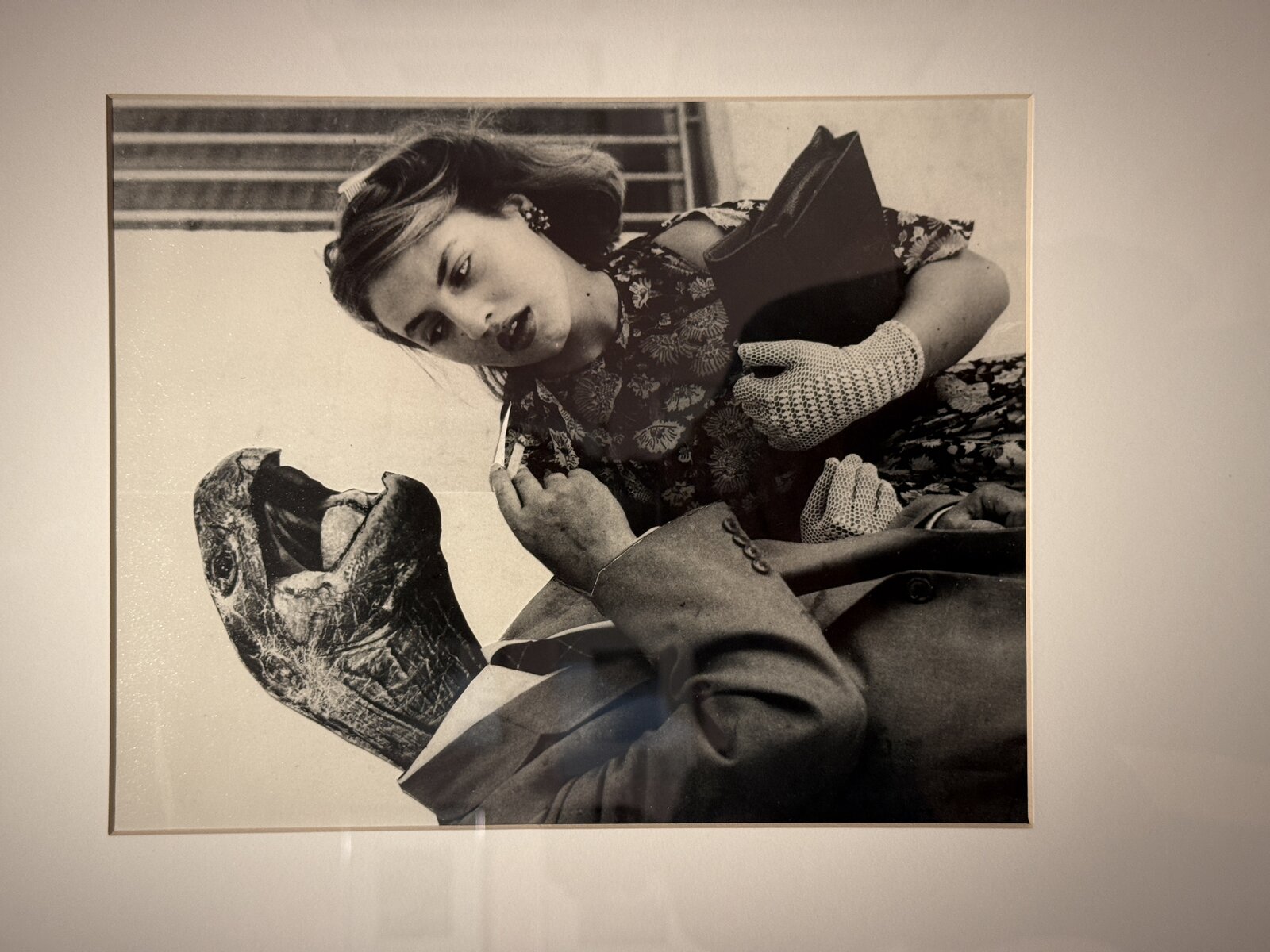
Bauhaus-trained photographer who fled Nazi Germany for Buenos Aires. Her *Sueños* series (1948–51), made for a women's magazine advice column, turned readers' dreams into surrealist photomontages—decades before the technique became mainstream. Wikipedia
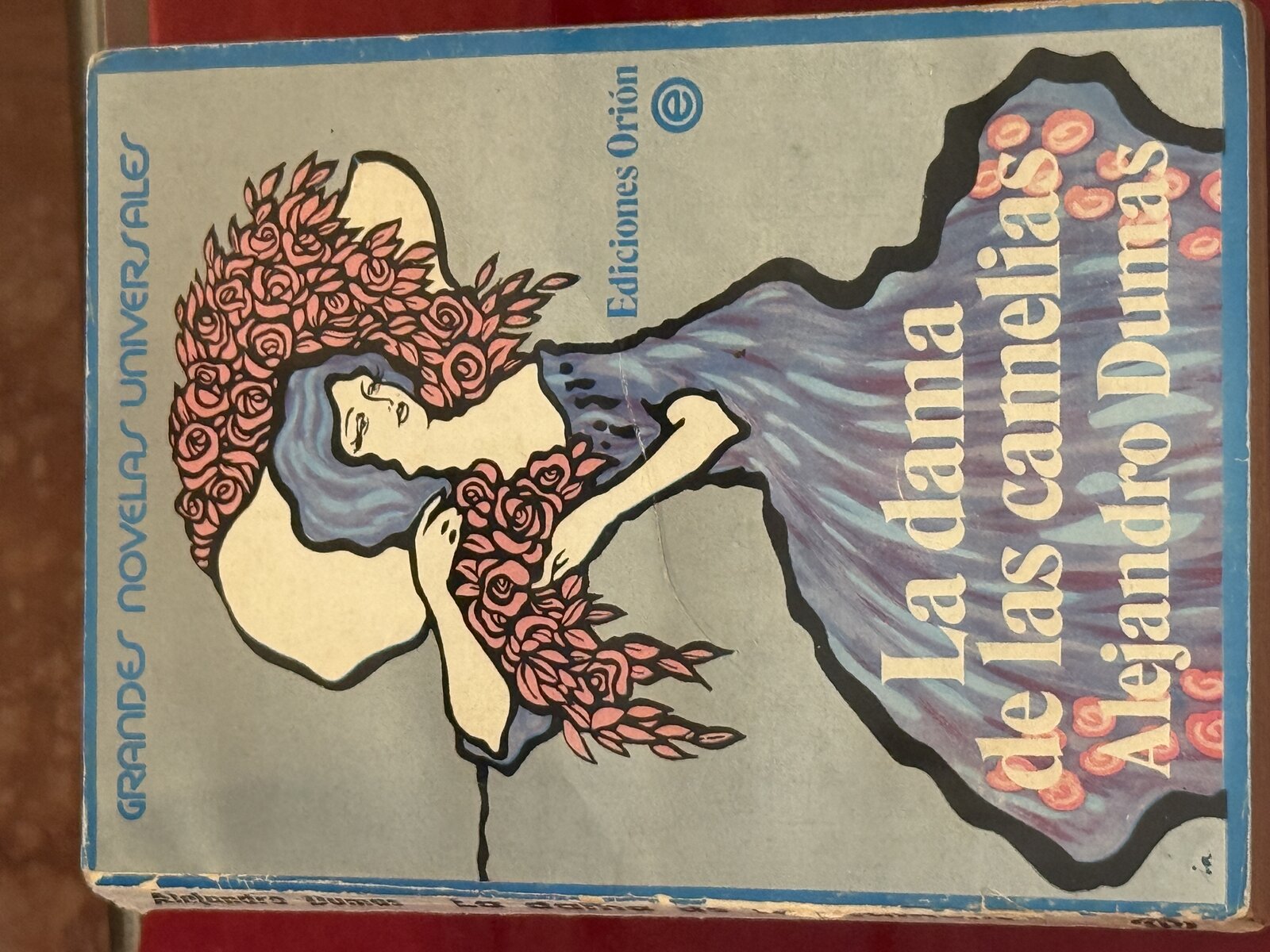
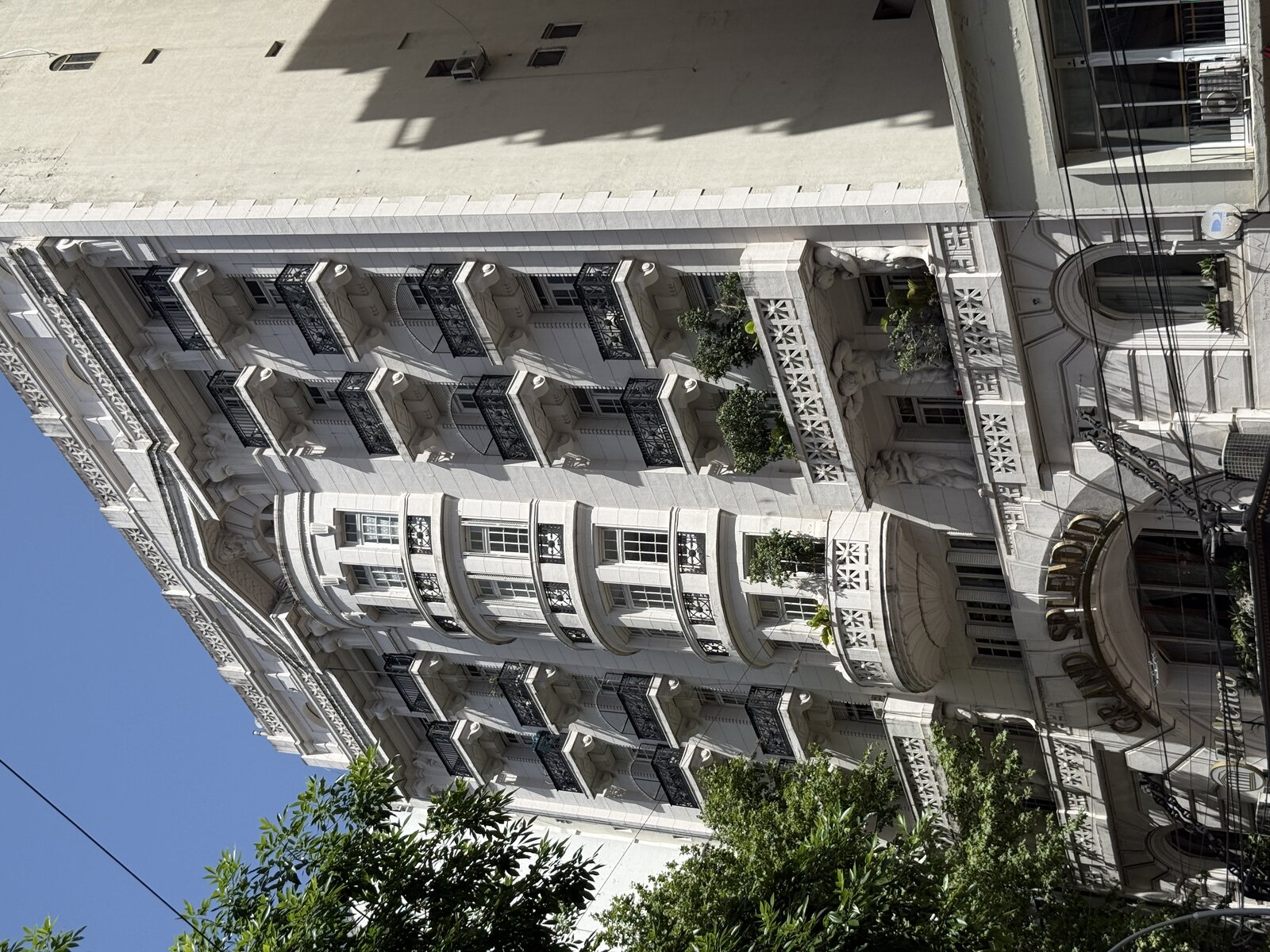
From MALBA we Ubered to El Ateneo Grand Splendid, the theater-turned-bookstore that regularly makes lists of the world's most beautiful bookshops. What no list prepares you for is the sheer volume of *Spanish-language* books. This was not a curated English-speaking tourist attraction. The balconies held thousands of titles across every genre, the former stage served espresso, and nearly every browser in the aisles was speaking Spanish. It is a whole world.
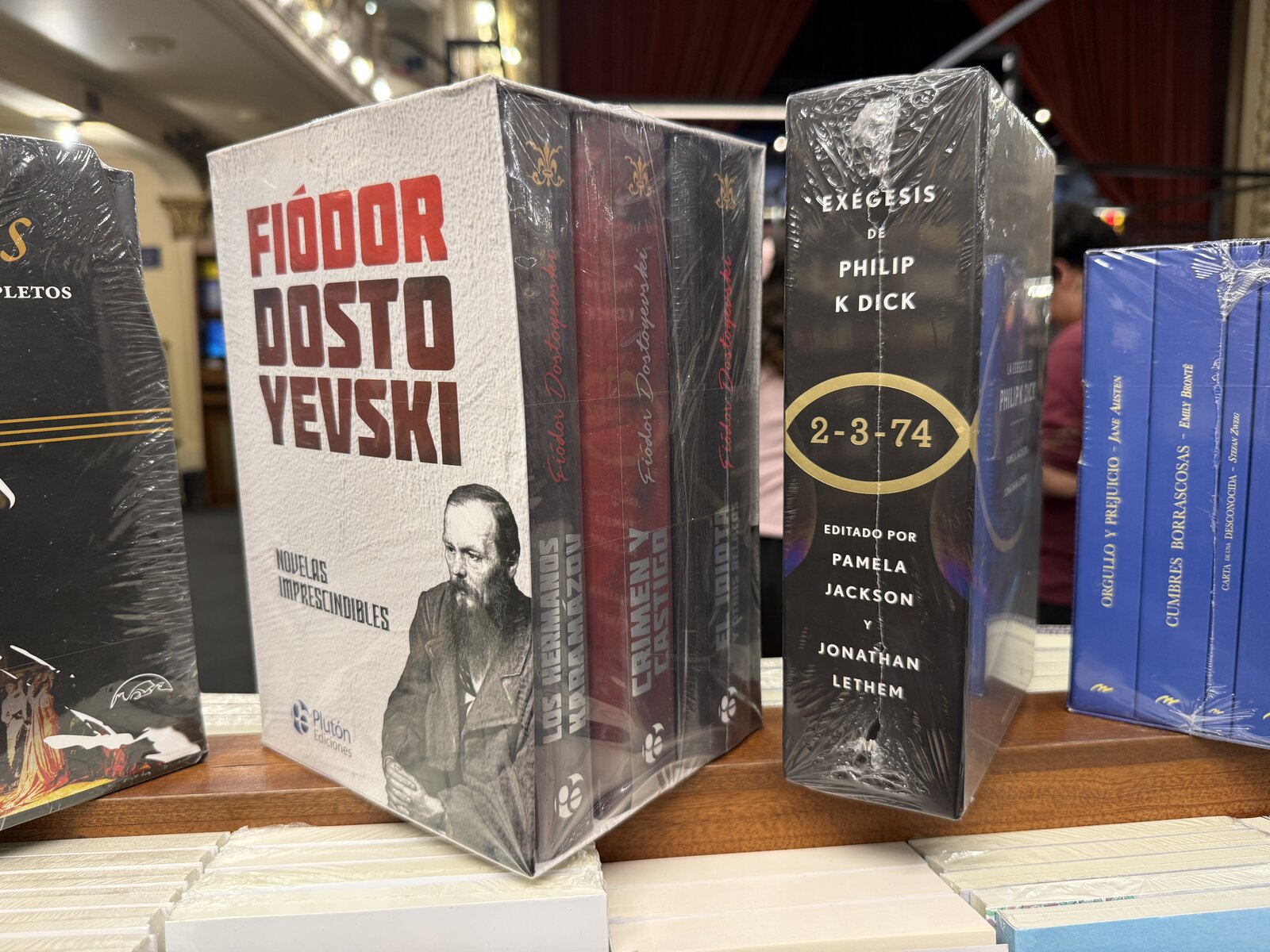
Originally the Teatro Grand Splendid, used for tango performances and early sound films. RCA Victor recorded Carlos Gardel here. Converted to a bookstore in 2000 by El Ateneo, preserving the frescoes by Nazareno Orlandi, the balconies, and the theatrical lighting. Buenos Aires has one of the highest densities of bookstores per capita in the world.
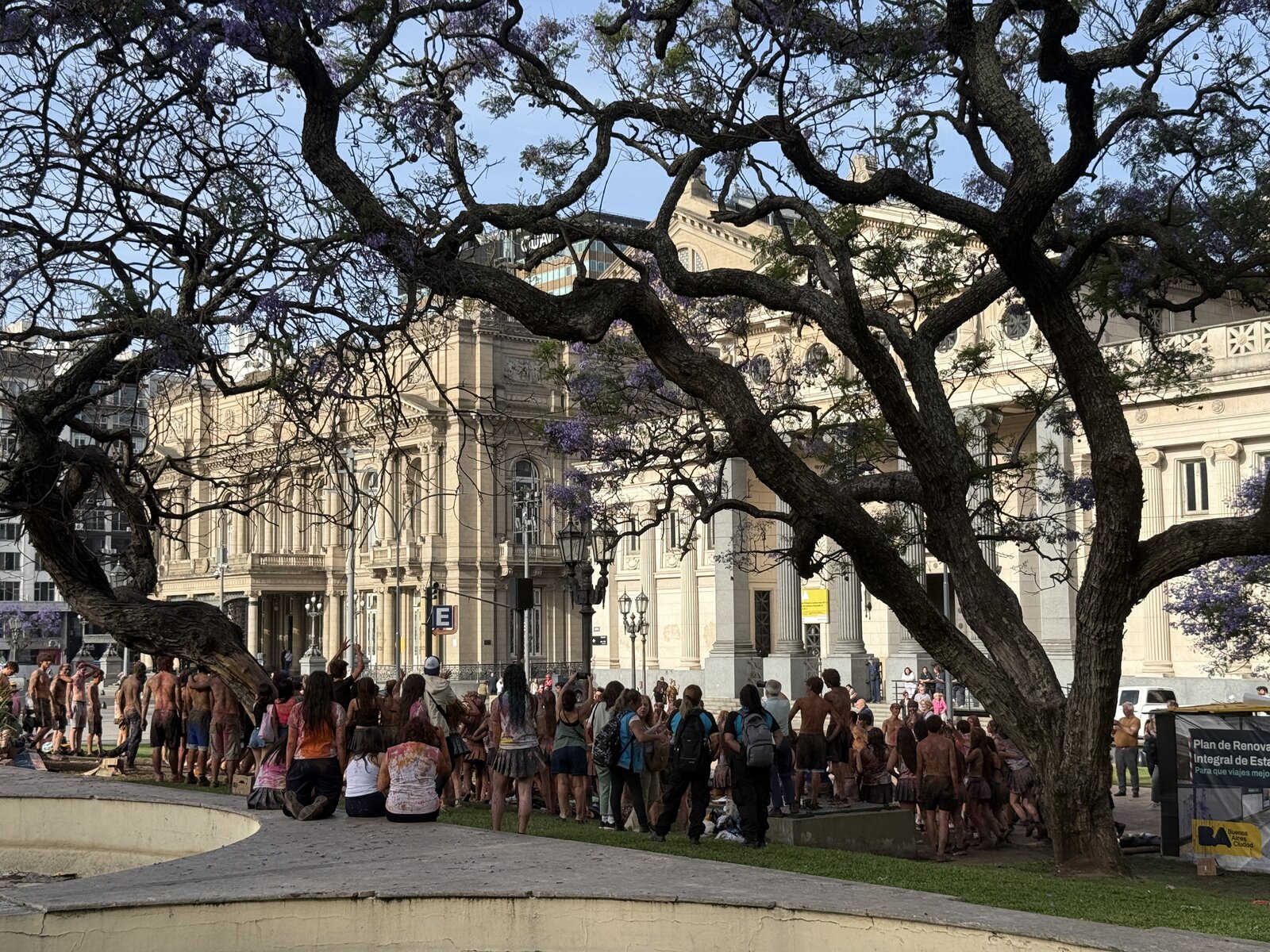
Teatro Col\u00F3n is the sort of building that makes you recalibrate your sense of civic ambition. The guided tour was in Spanish, which provided a good excuse to test Apple's AirPods translation mode. (The verdict: completely lacking. Poor outward-facing microphones, probably, but also just not ready.) No matter. The building spoke for itself—gilded tier upon tier, an acoustic reputation that ranks it alongside La Scala and the Vienna Staatsoper, and a park square outside featuring a notably grand synagogue that now houses the Jewish Museum of Buenos Aires.
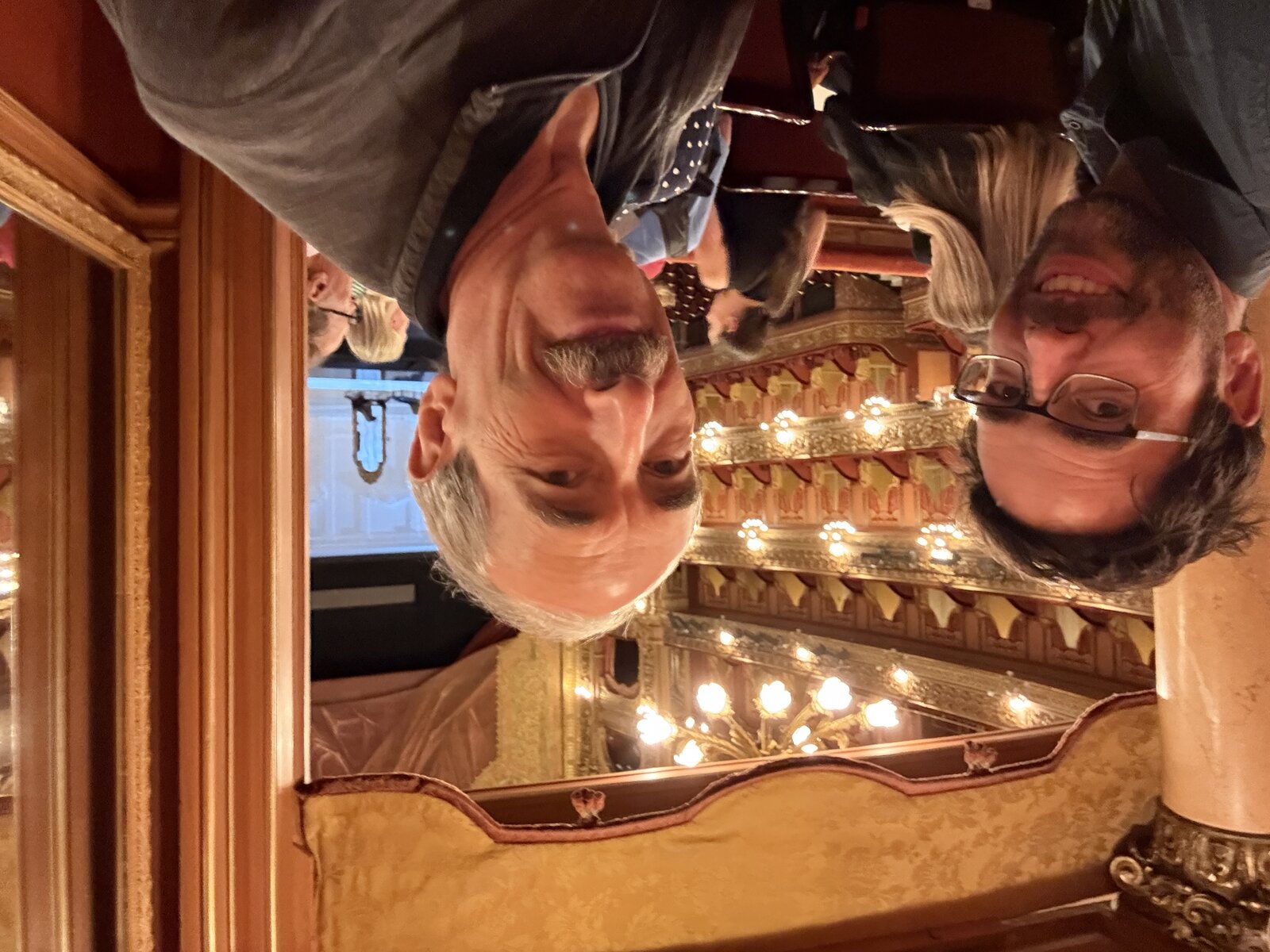
Considered one of the top five opera houses in the world for acoustics. The horseshoe-shaped auditorium seats 2,487 with standing room for 1,000 more. Luciano Pavarotti called it the venue where all singers wish to perform. The building occupies an entire city block in the heart of Buenos Aires.
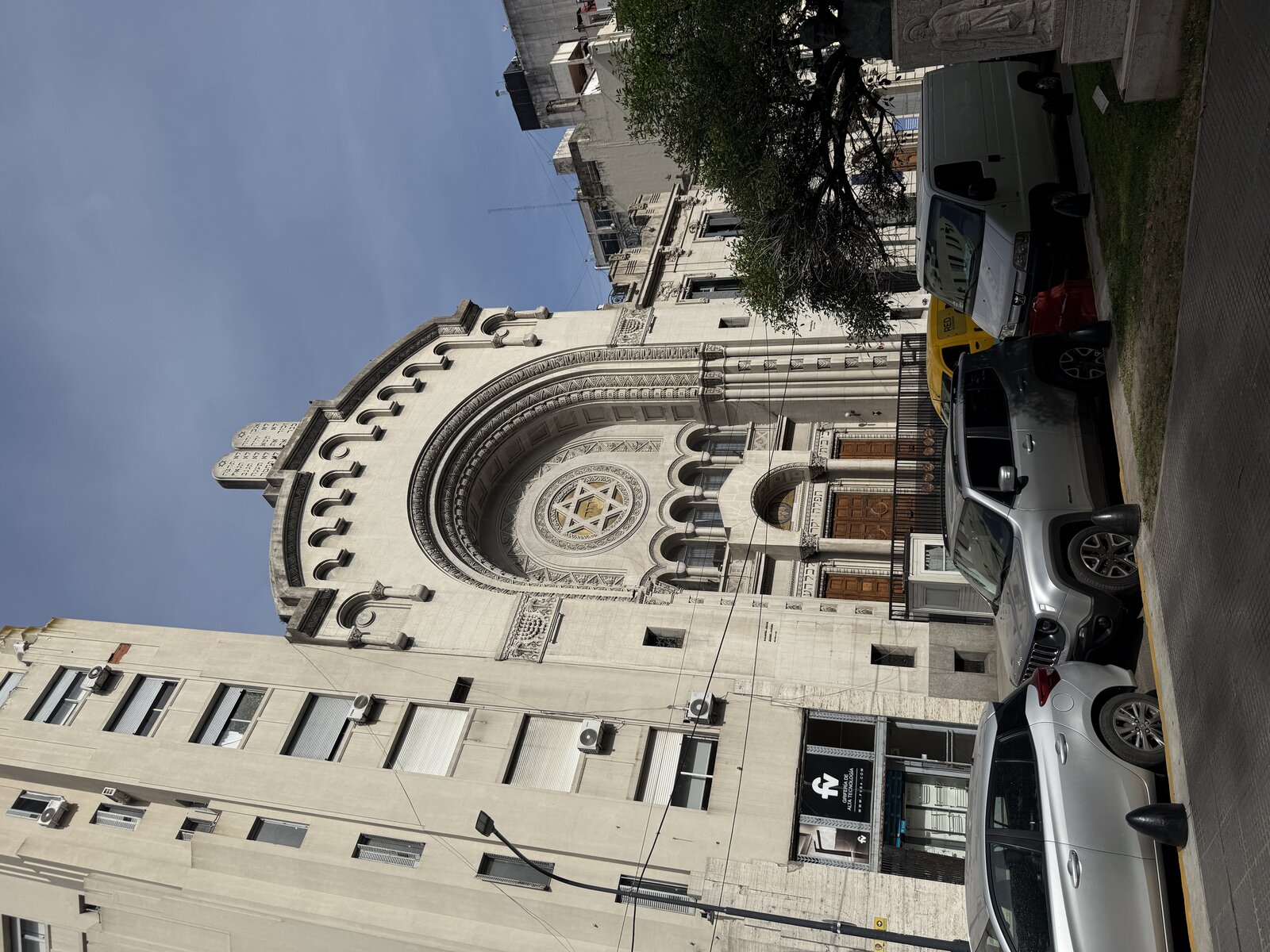
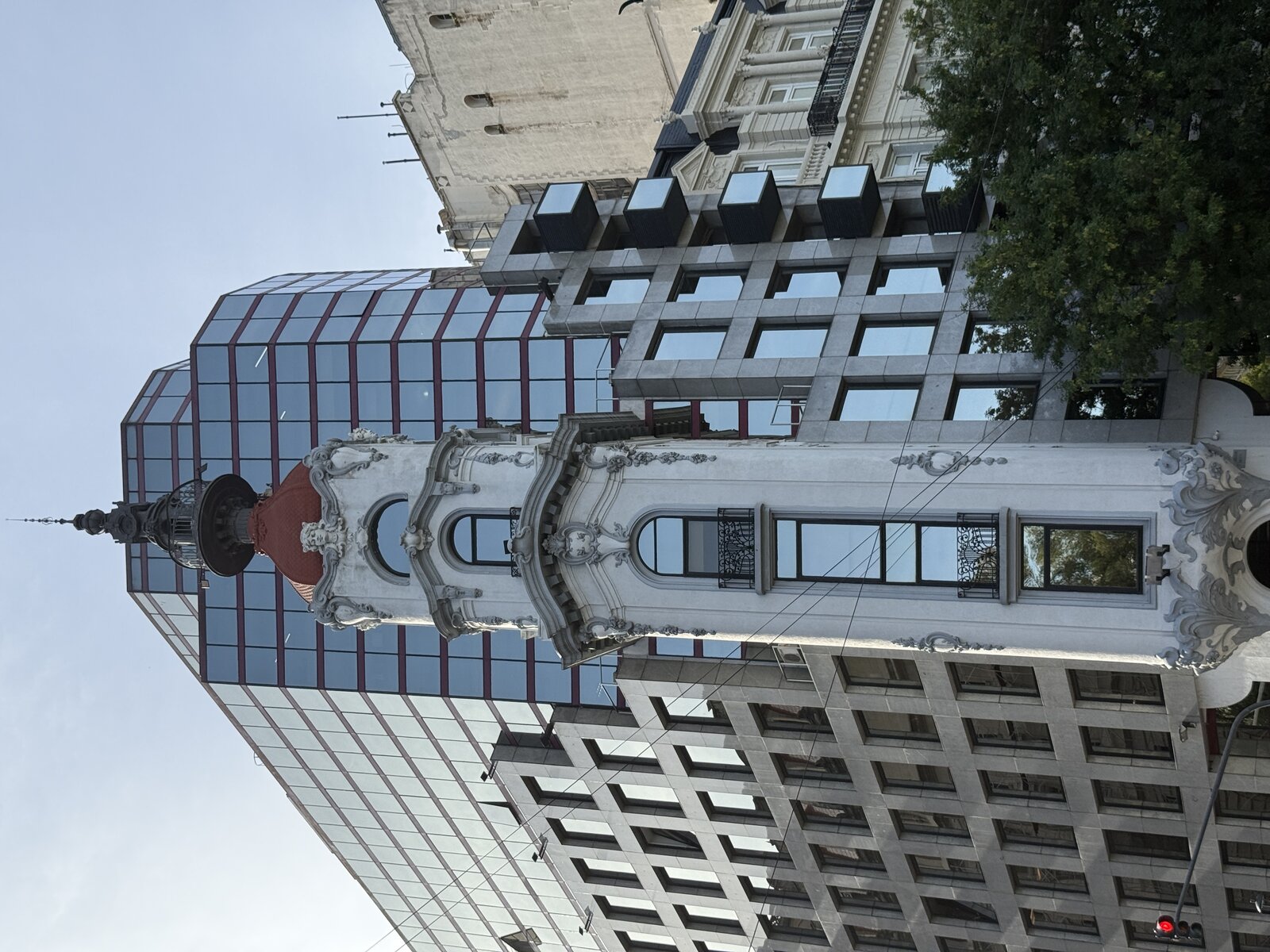
The Romanesque Revival synagogue of the Congregación Israelita Argentina, the oldest Jewish congregation in the country. Houses a Walcker symphonic organ—one of only three surviving Walckers made for synagogues globally. Weekly organ concerts are held in collaboration with the Teatro Colón. Declared a National Historical Monument in 2000.
Walking southeast toward the Obelisk, we stopped at Caf\u00E9 Tortoni—opened in 1858 by a homesick French expat inspired by the eponymous (now less famous) caf\u00E9 in Paris. It is a living museum, all dark wood and stained glass and antique coffee urns, reminiscent of a grandmother's fever dream. The cocktails were good. The hot chocolate was better. The fact that a successor caf\u00E9 could so thoroughly eclipse its Parisian original felt like a metaphor for Buenos Aires itself.
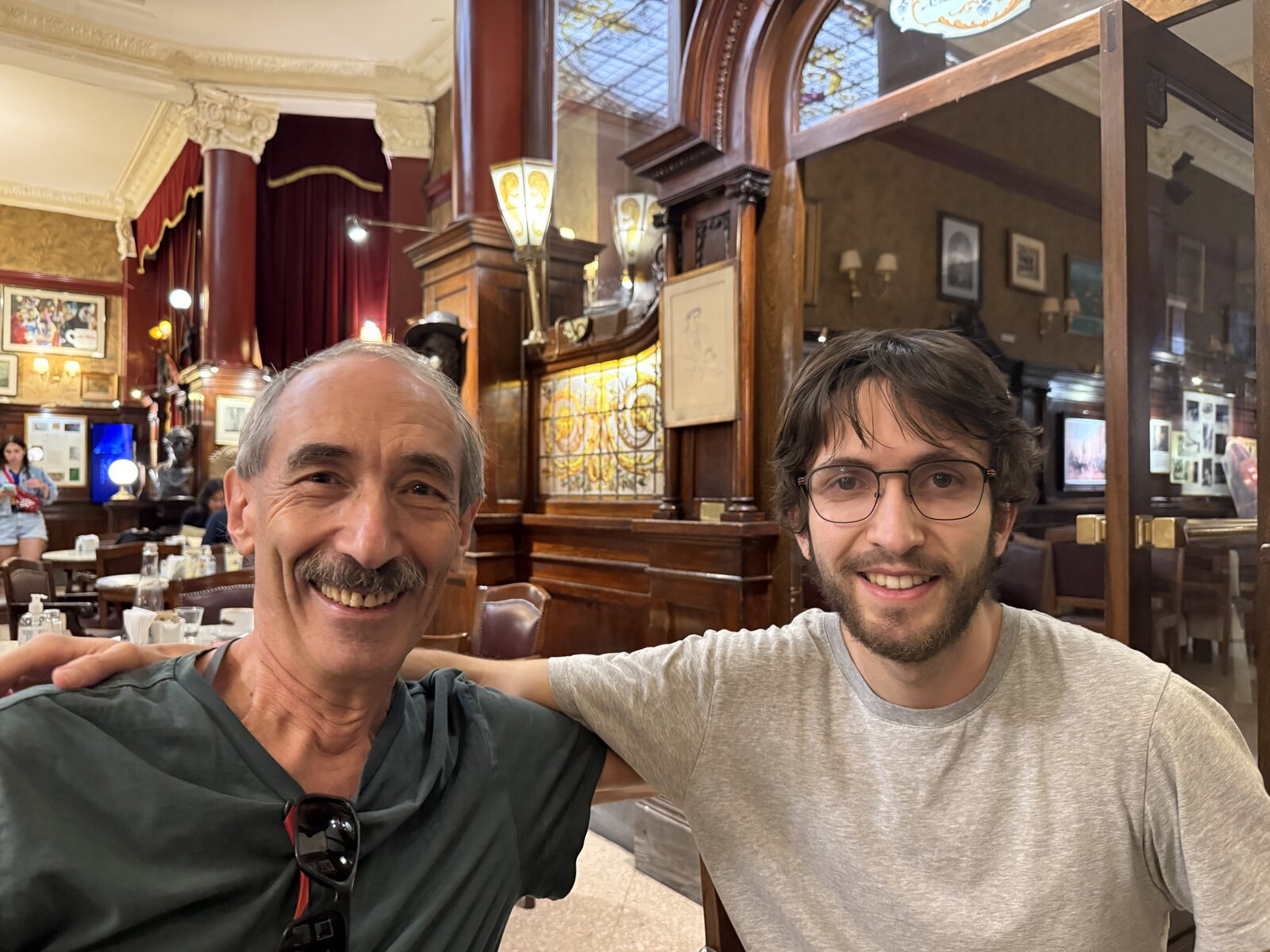
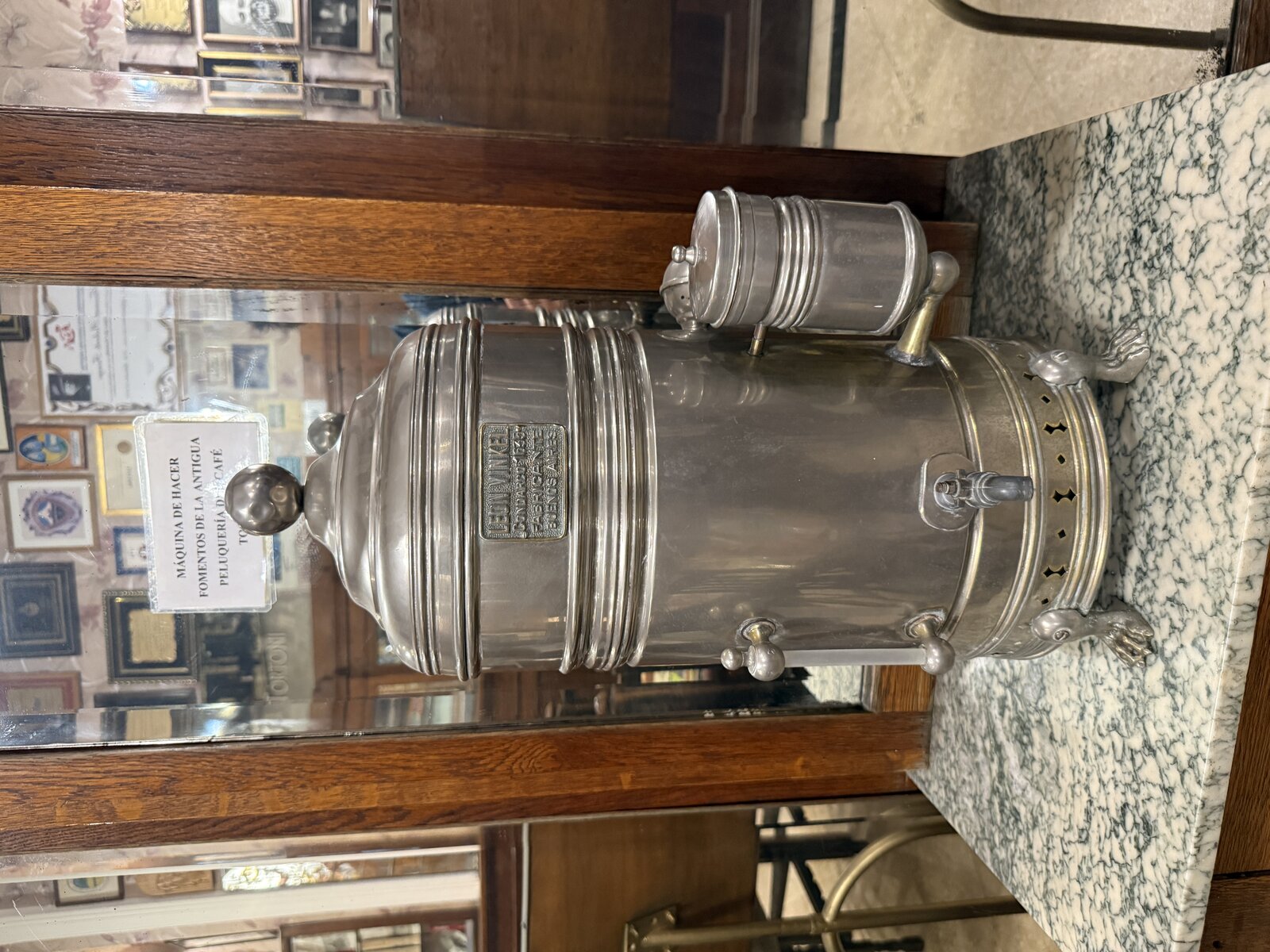
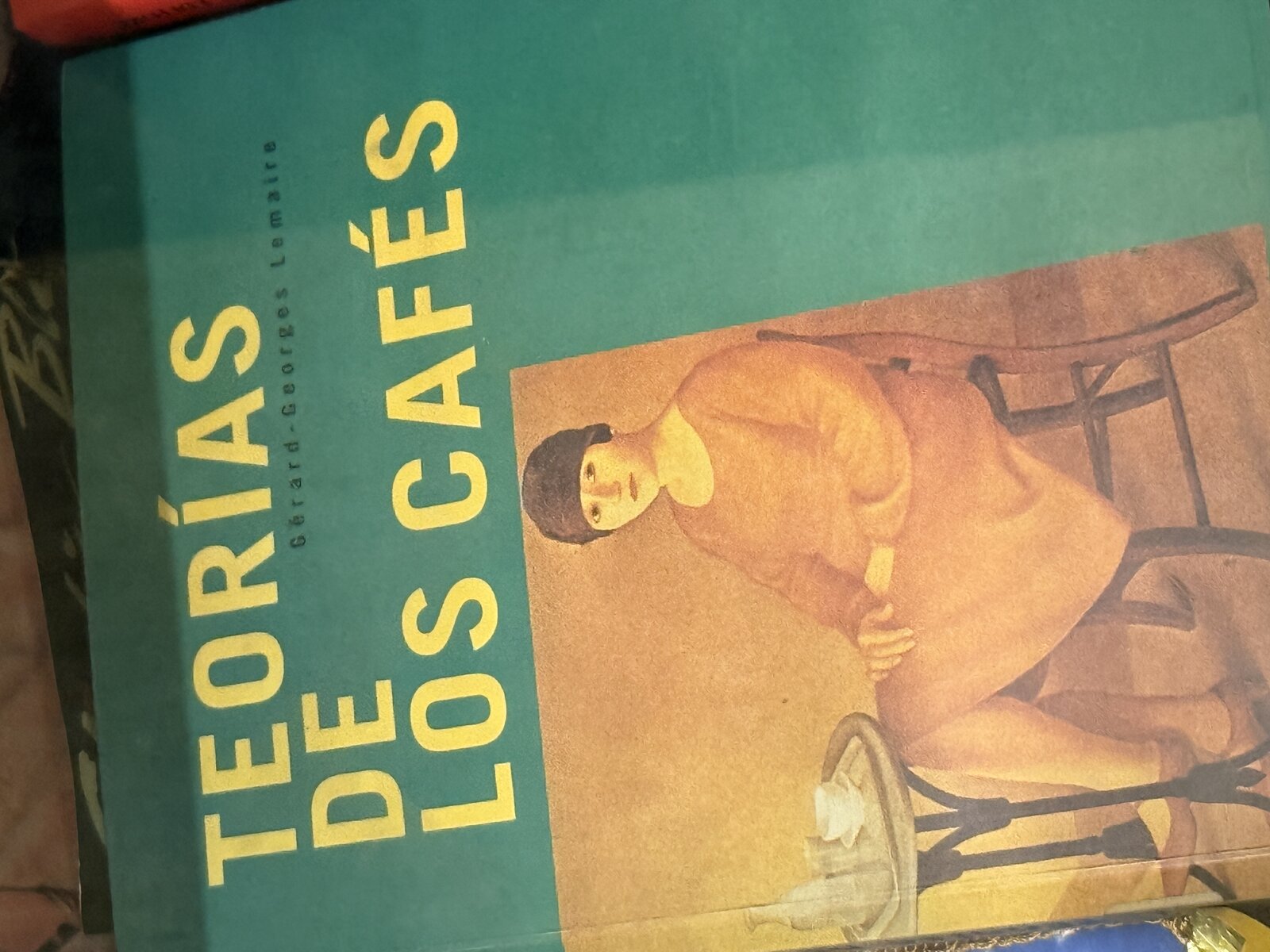
The oldest café in Argentina, named after a Parisian café on Boulevard des Italiens that no longer exists. Historically a meeting place for artists and intellectuals including Jorge Luis Borges, Carlos Gardel, and Luigi Pirandello. The interior preserves its original Belle Époque furnishings.
The evening's main event was a tango show at Tango Porte\u00F1o, though we nearly sabotaged it through a comedy of logistics: checking in, being forced to bag-check our takeaway dinner, ordering more food, realizing the show wouldn't start for half an hour, deciding to eat the first dinner while it was warm, leaving the building, eating on a city bench like vagrants, and finally returning to our seats just in time.
The show itself was worth every miscalculation. A sextet—piano, bass, two accordion, two violin—was set up on an upper stage above the dancers, an unusual arrangement that gave the musicians proper visual presence. Five pairs performed ten numbers ranging from slow and emotional to technically ferocious. The most memorable act featured percussive dancers who swung weighted balls on strings like nunchucks, striking the floor with impossible speed and rhythmic precision.
Poets and Departures
We slept until nine and of course did not check out on time, which seemed to be totally fine with our host. We left bags at the front desk and went for a last walk. The plan was the Japanese Garden, but a detour through a poetry garden proved more interesting—busts of the canonical poets lining the paths. Dante, Shakespeare, Khalil Gibran, and the surprising inclusion of Taras Shevchenko, the Ukrainian national poet.
Does Seattle's Rose Garden have such reverence for literary heroes? Unlikely. Like the Mexican education system, Argentine schools seem to maintain a deeper relationship with the old world's canon. We wondered: when the United States shed its European cultural inheritance, did it throw out the baby with the bathwater?
Made the flight despite traffic. We were headed to El Calafate—a town at 50\u00B0S that functions as the gateway to the glaciers and the hiking capital of El Chalt\u00E9n beyond. But that is a different chapter, one with different weather, different terrain, and considerably fewer bookstores.
| Place | Category | Verdict |
|---|---|---|
| Buenos Aires Ecoparque | Park / Wildlife | Perfect jet-lag remedy. The maras alone are worth the visit. |
| Cementerio de la Recoleta | Cemetery | Architecturally stunning, emotionally cold. Divides visitors. |
| MALBA | Art Museum | The intellectual highlight. Berni, Stern, kinetic sculptures. |
| El Ateneo Grand Splendid | Bookstore | Not a tourist trap—a working bookstore in a city that still reads. |
| Teatro Colón | Opera House | Genuinely awe-inspiring. Skip the AirPods translation. |
| Café Tortoni | Café | A living museum. Grandmother's fever dream. Good hot chocolate. |
| Tango Porteño | Performance | Masterful. The percussive nunchuck act was unforgettable. |
| Chacaito / Caribbean food | Restaurant | The surprise staple. Arepas and cachapas on repeat. |